Experiencia
From events to experiences: 5 ways smart brands turn moments into momentum
Events have reemerged as one of the most powerful channels in a CMO’s toolkit. Here are five ways to design experiences that not only impress audiences but move them to action.
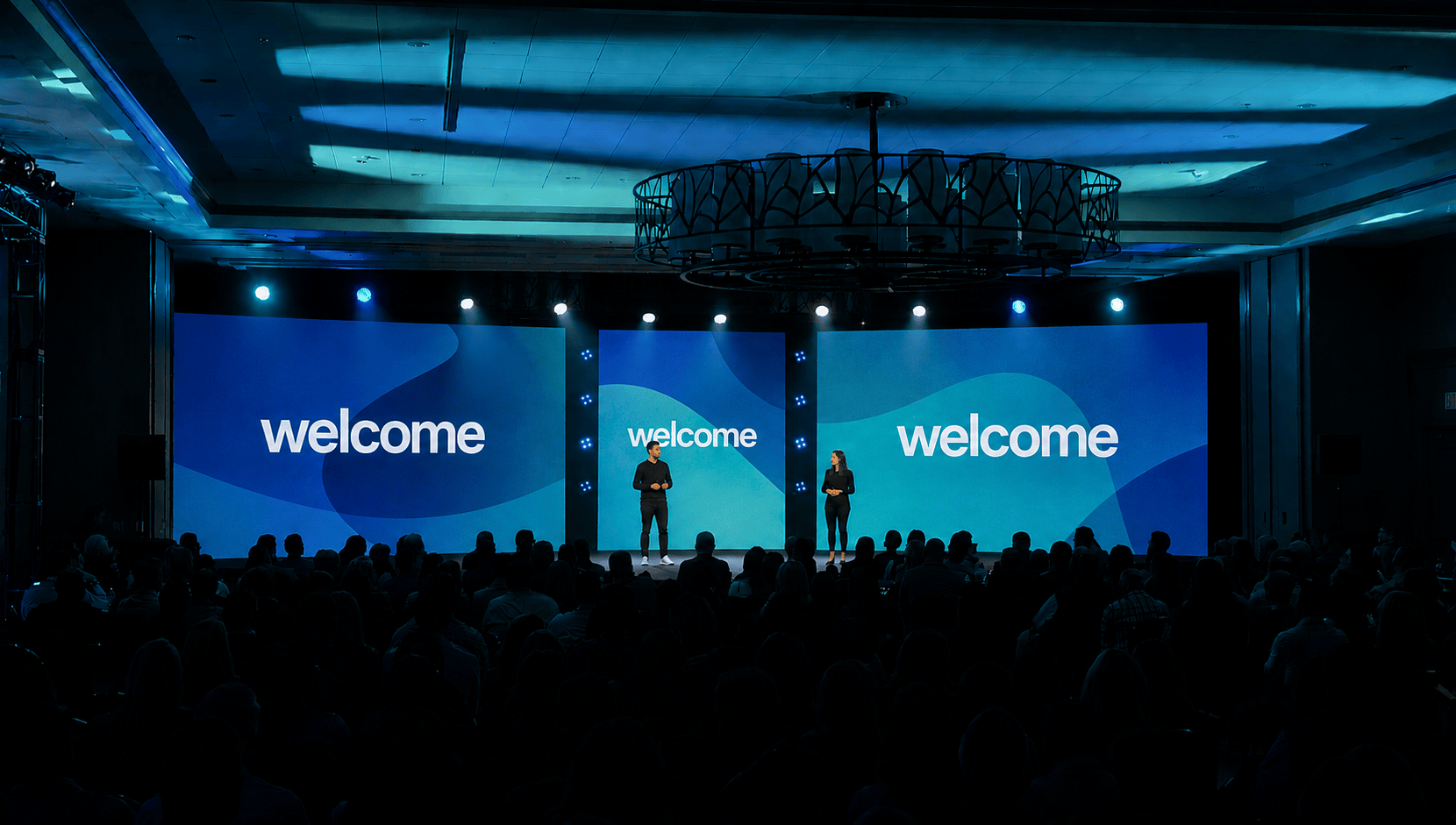
Experience drives impact
The best event strategy starts by asking what the audience needs to feel, do and remember. Sometimes that means a polished live presentation. Sometimes it means an immersive tradeshow presence. And sometimes it means an exclusive VIP experience that functions more like a brand activation, designed to create a deeper connection between the brand and the people who matter most.
According to Forrester research, 49%* of CMOs believe events are more important now than they were before the pandemic. Yet only 54%* of marketers say they’re satisfied with their current event performance.
That gap creates a major opportunity for brands willing to rethink what an event experience can be.
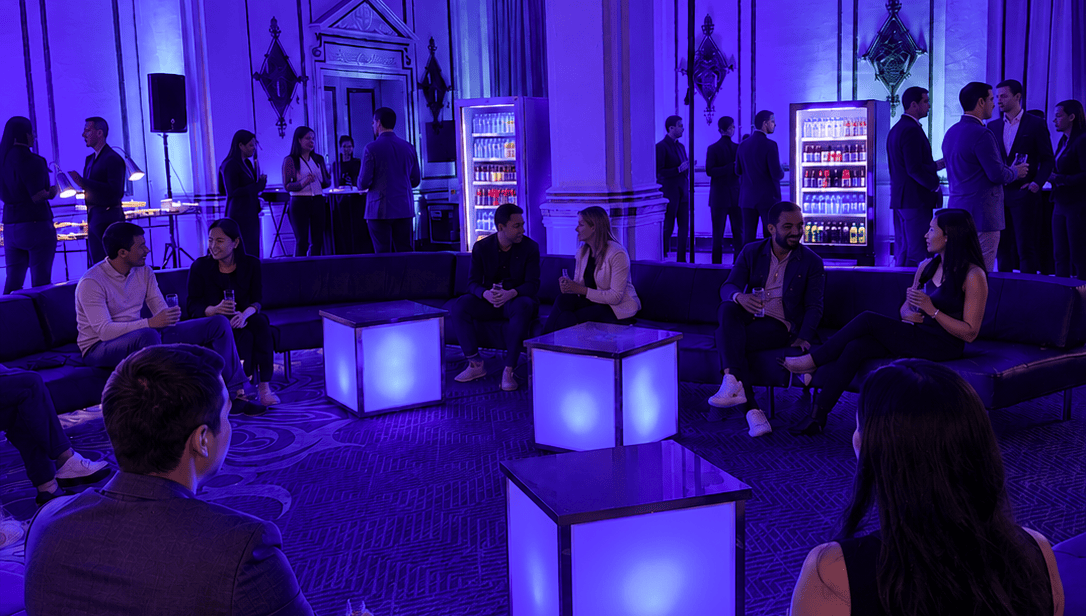
#1 Strong event branding creates clarity and consistency
Great branded experiences feel cohesive from the moment attendees arrive. Every visual, presentation, transition and interaction reinforces the same story.
That level of alignment matters because audiences notice inconsistency immediately. A disconnected presentation deck, unclear messaging or lack of cohesion throughout the attendee experience can dilute even the strongest strategy.
Our team approaches event experiences like complete brand ecosystems. We align messaging, presentation design, environmental visuals, motion graphics and stage experiences around a single narrative so attendees leave with a clear understanding of what matters most.
When every touchpoint works together, the experience becomes more memorable and the message becomes easier to retain.

#2 Details shape how audiences experience your brand
The most effective event experiences are often built on details attendees never consciously notice.
It’s the pacing of a presentation. The confidence of a speaker. The smooth handoff between sessions. The way lighting, motion and graphics build anticipation before a keynote begins. It’s the calm, polished feeling of an experience that simply works.
Those details take planning, collaboration and experience.
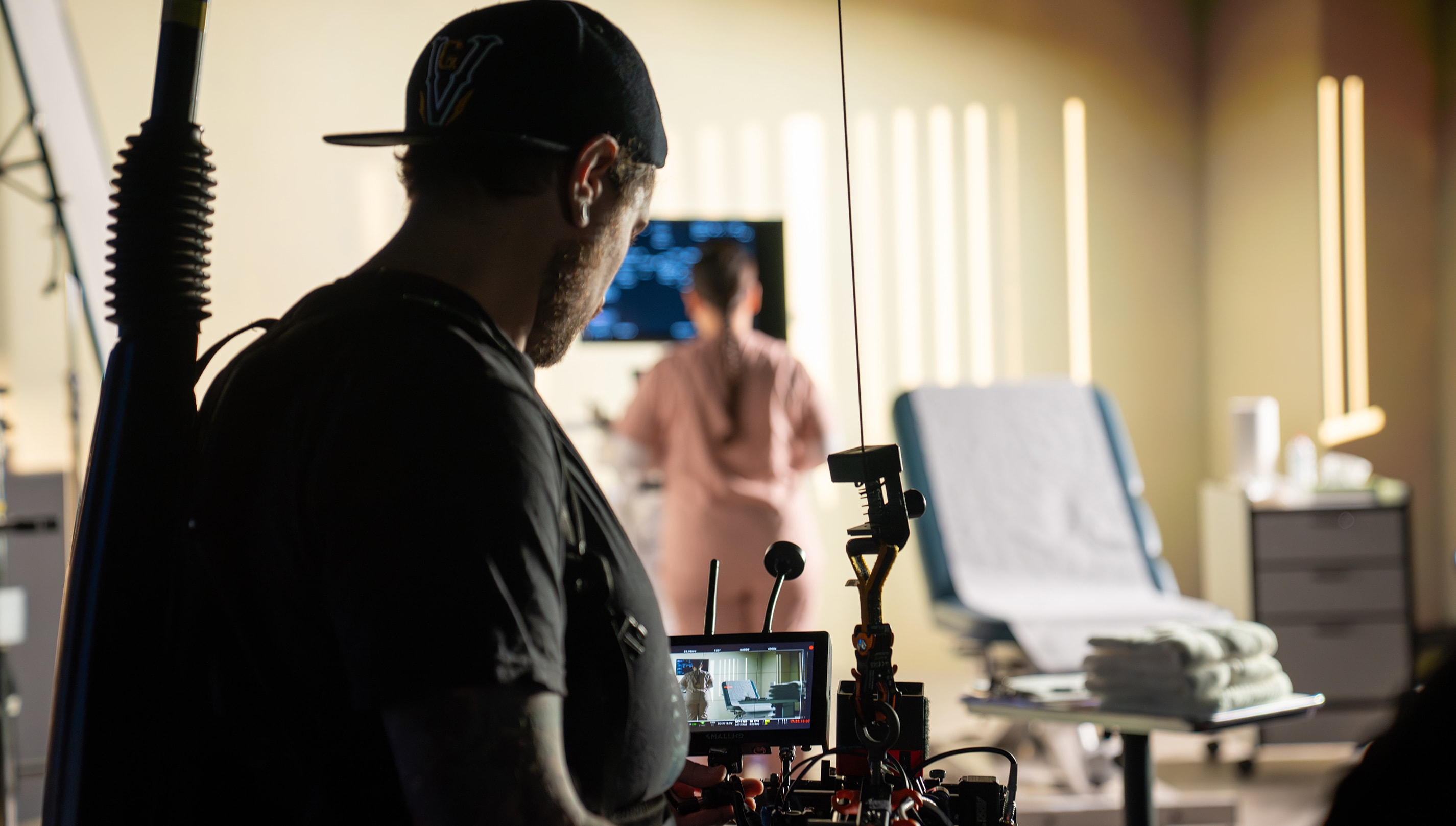
We’ve spent decades supporting Fortune 500 organizations through high-stakes live, hybrid and virtual experiences. Our process includes everything from content development and speaker coaching to technical coordination and onsite support.
One example is our Click-Ready review process, where presenters rehearse through their presentations in real time while our team fine-tunes content, pacing and technical details live. The goal isn’t perfection for perfection’s sake. It’s helping presenters feel confident enough to focus on connecting with their audience.
#3 Owned events build deeper audience relationships
For many brands, events are one of the few opportunities to create uninterrupted engagement with customers, employees and partners.
That’s why more organizations are investing in owned experiences instead of relying entirely on third-party events. According to Forrester research, 50%* of marketers surveyed agreed that owned hosted events perform better than sponsored third-party events.
Owned events allow organizations to fully control the environment, messaging and attendee journey. They also create opportunities for stronger conversations, deeper emotional connection and better audience data.
Trade shows still have value, especially for visibility and networking. But branded owned experiences give organizations something trade shows often cannot: focused attention.
When audiences are immersed in your story instead of surrounded by competing messages, your brand has more room to connect in meaningful ways.
#4 Experiential elements are the brand experience
Too often, event experiences are treated as support materials instead of core brand moments.
But for attendees, the full experience frequently defines what they take away from the event itself.
Strong storytelling, thoughtful structure and polished delivery can transform complex business information into something inspiring and actionable. Weak presentations can do the opposite.
That’s why our teams support every stage of the presentation process, from shaping outlines and keynote narratives to coaching presenters on pacing, movement and stage presence.
When presenters feel prepared and supported, audiences feel more engaged and more confident in the message being delivered.
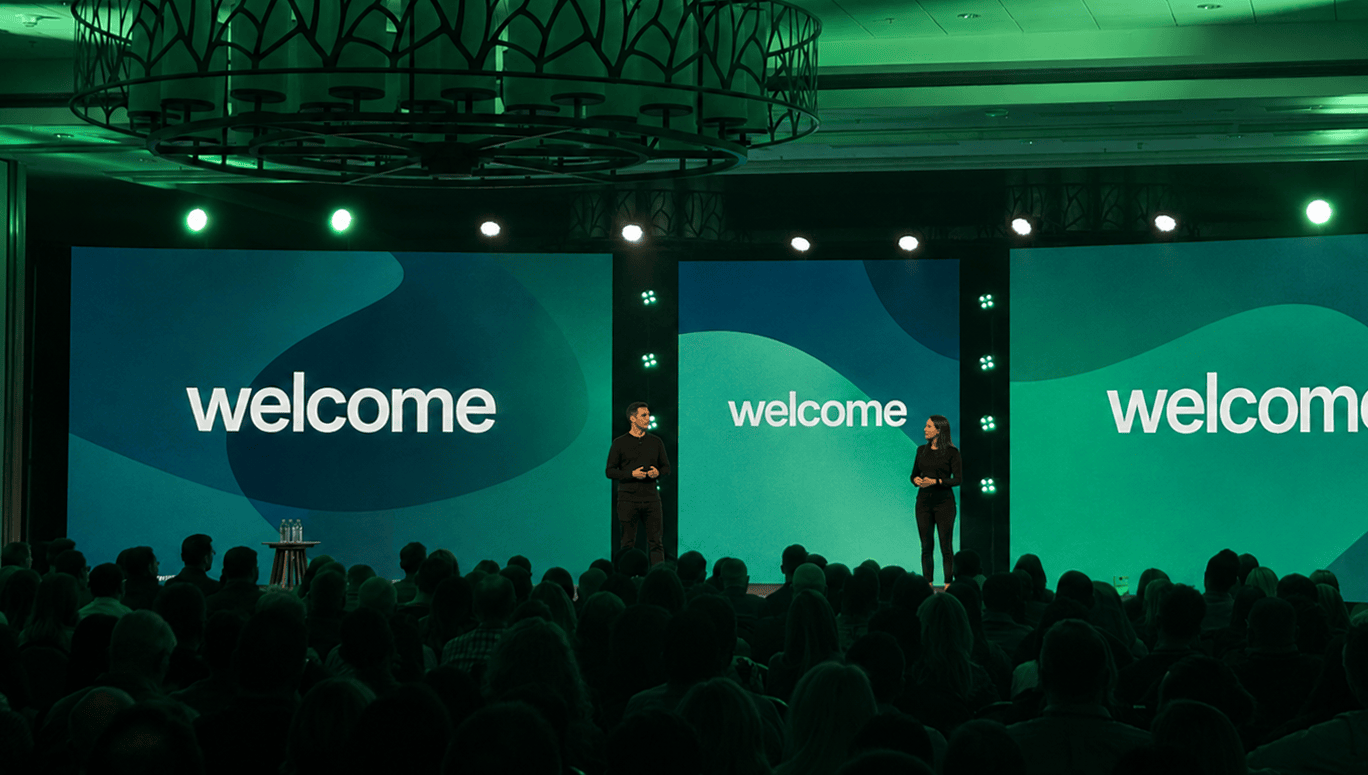
#5 Memorable experiences should create measurable impact
Creative execution matters. But successful event branding should also drive real business outcomes.
At a recent leadership summit supported by our team, attendees reported strong engagement and message retention across the experience. In recent post-event client feedback, 80% of attendees strongly agreed they clearly understood how the event’s messaging and objectives applied to their roles and business strategies moving forward.
That kind of response doesn’t come from flashy visuals alone.
It comes from strategic planning, cohesive storytelling, audience empathy and consistent execution across every detail of the experience.
The best events don’t just inform audiences. They move them.
Today’s audiences expect more than presentations and packed agendas. They want experiences that feel intentional, immersive and emotionally connected to the brand behind them.
That’s why experiential design has become such a powerful business tool for modern marketers and CMOs.
We help organizations create event experiences that strengthen brands, align audiences and turn engagement into measurable impact through thoughtful implementation at every level.
What if your next event did more than fill a room?


















.jpg)
love.jpg)




rentice-summer-2024-interns.jpg)





.png)


.jpg)


.jpg)