Experiencia
Do brand archetypes still work? Spoiler: Yes—but not the way you think.
Twelve timeless archetypes. Countless brand identities. But what happens when your audience—and your brand—outgrows the script?

Do brand archetypes still work?
Branding is supposed to make things clearer. Sharper. More human.
But when you’re leading a brand, especially in a time of personalization fatigue, fractured channels and customers with goldfish-level attention spans. Clarity can be hard to come by.
That’s why marketers still reach for tools that promise alignment. Simplicity. A common language.
Enter: brand archetypes.
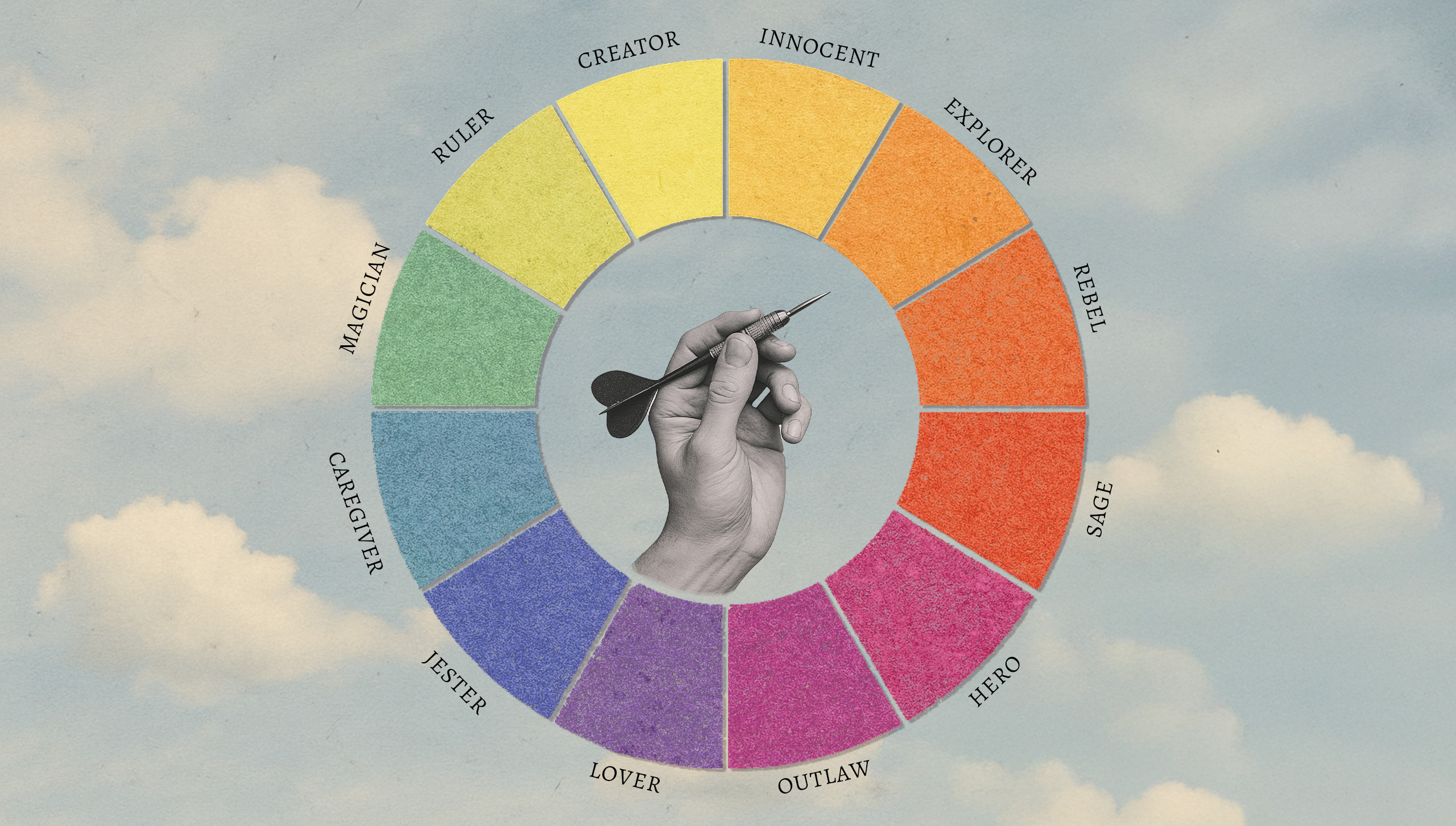
Carl Jung’s twelve personas (Hero, Caregiver, Rebel, Sage and so on) have been a staple of branding frameworks for years. These archetypes live in our collective unconscious and surface in the stories we tell. In brand strategy, they can be a shortcut to building connection.
Adopt the right archetype, and your brand gains a voice, a style, a soul. Dove embodies the nurturing Caregiver. Harley-Davidson rides as the Rebel. Disney channels innocence while the BBC speaks with the wisdom of the Sage. It’s tidy. Memorable. Repeatable.
Which is exactly the problem.
Neat doesn’t always mean true
There’s no doubt archetypes can help clarify and codify brand behavior. They make strategy more accessible and help teams stay aligned. A well-chosen archetype can act as a kind of tonal compass, guiding voice and visuals across touchpoints—from pitch decks to packaging.
In short, archetypes help organizations find their identity. In practice, they can flatten it. Because brands, like people, aren’t just one thing.
You’ve seen this play out. The company clings to its Hero archetype while expanding into new categories that demand a softer tone. Or it doubles down on Rebel language while trying to woo a more risk-averse customer. It starts to feel off. Not just inconsistent—inauthentic. What once helped a brand feel distinct can now make it feel one-dimensional.
Because while archetypes can help create alignment, they rarely account for evolution. And brands evolve. Customers change. New channels demand new behaviors. Most modern brands span multiple traits. Think of Patagonia—a Rebel and a Sage, even a Caregiver. Or Nike—a Hero with a dash of Magician. The nuance is where the magic lies.

We contain multitudes
Your audience is more complex than ever. Your brand should be too. If Jung taught us anything, it’s that humans are layered. We’re not just Caregivers or Explorers. We’re contradictions. And today’s audiences expect that same complexity in the brands they follow. They’re drawn to brands that show range. Humanity.
They want Patagonia’s climate activism and its technical excellence. Nike’s bold empowerment and its cultural fluency. Duolingo’s snarky owl and its legit commitment to education.
So maybe the question isn’t “Are brand archetypes outdated?” but “How might we use them more flexibly?” It’s not that archetypes don’t apply anymore. It’s that applying just one isn’t enough. We’re not living in a monolithic marketing era. We’re living in the multiverse.
The brands that win are the ones who know how to flex without losing themselves in the process.
That’s why (add)ventures designed SOLVEsessions® to go deeper than labels. These collaborative explorations bring client partners and our team together to peel back assumptions, dig into core truths and uncover the authentic personality of a brand. Sometimes, a brand enters a SOLVEsession® convinced it’s the Explorer. Turns out, it’s more Creator than it realized, with a bit of Rebel thrown in. That shift opens up a whole new approach to strategy, storytelling and connection.
It’s not about abandoning archetypes. It’s about making room for complexity. For growth. For truth.
Stay rooted, but don’t stand still
Archetypes are a means, not the end. They’re a solid starting point—but we all need to move forward eventually, right? If they help your team speak a common brand language or align on how your brand shows up in the world, they’re serving their purpose.
So if you’re still building your brand around a single archetype, ask yourself: Is it creating clarity, or killing momentum?
Because archetypes can help you align a team. But they can’t carry a brand on their own.
The future of brand identity isn’t about choosing a character. It’s about building an authentic personality that reflects who you are, where you’re headed and what your audience actually wants from you.




















.jpg)
love.jpg)


rentice-summer-2024-interns.jpg)



.png)


.jpg)


.jpg)