Experiencia
From sponsorship to strategy: Why sports marketing needs to grow up
Why just dabble in season when you can build a winning sports marketing dynasty year after year?
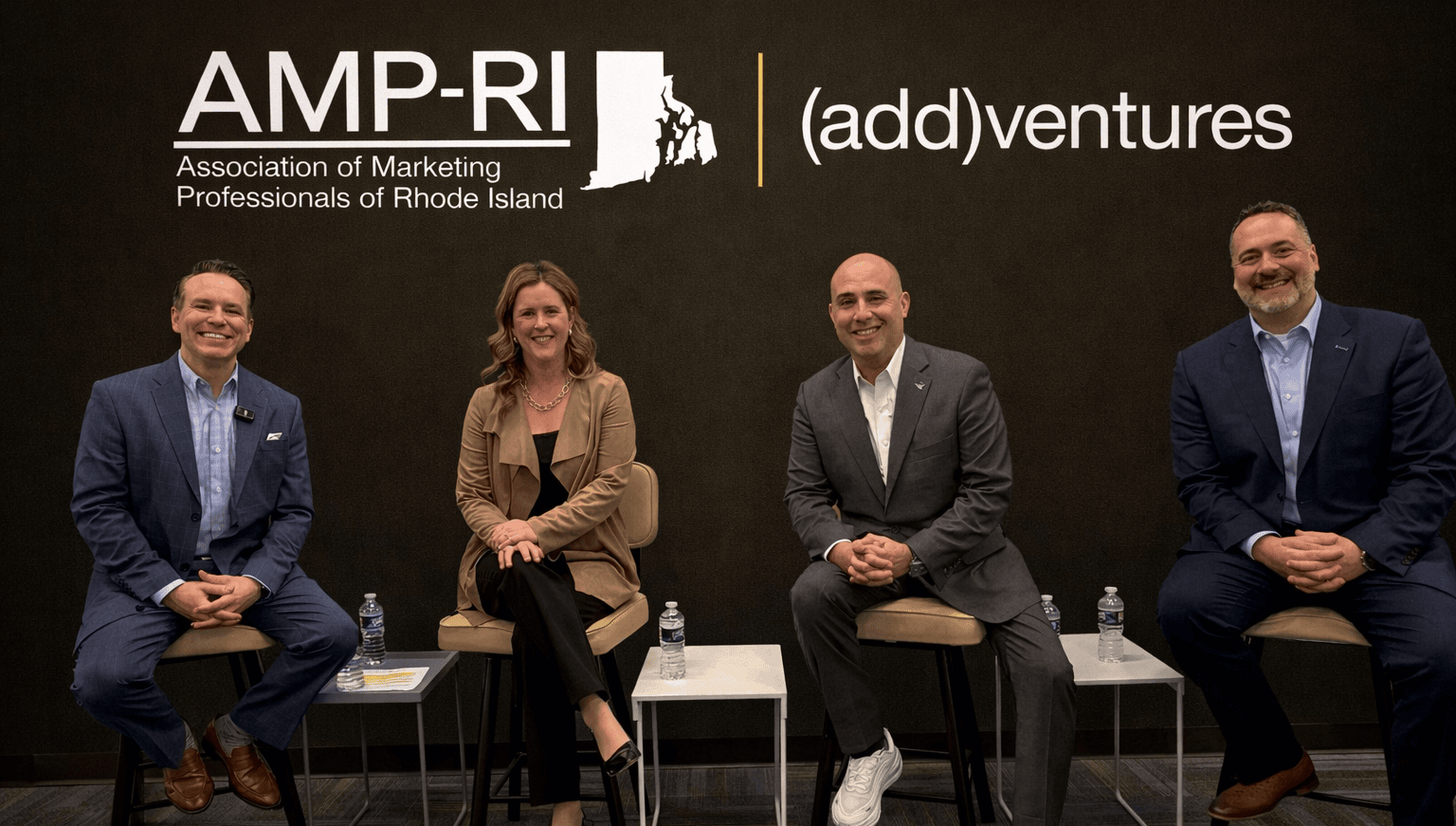
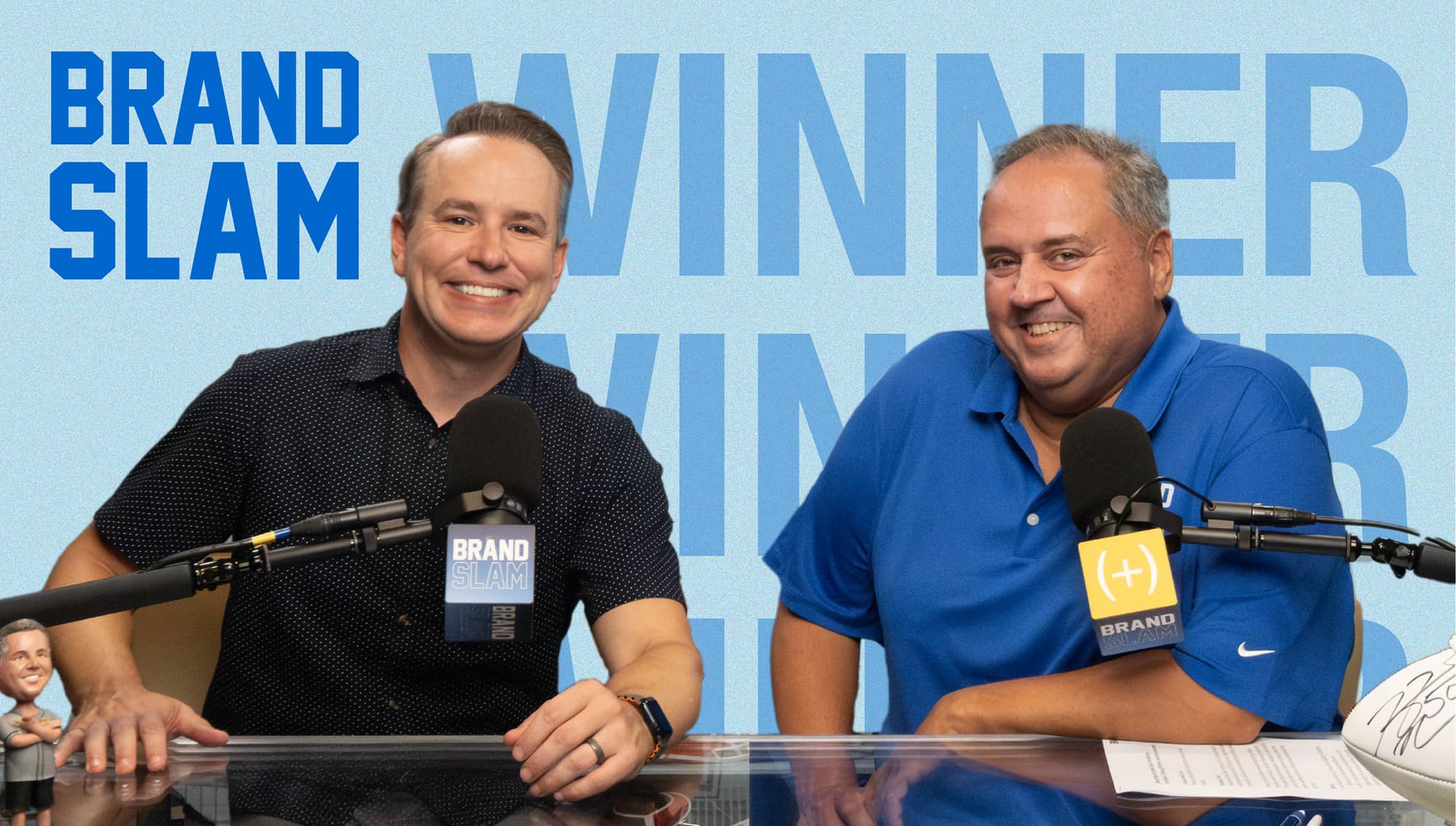
Written by (add)ventures’ CEO and founder Steve Rosa, part one of a two-part series
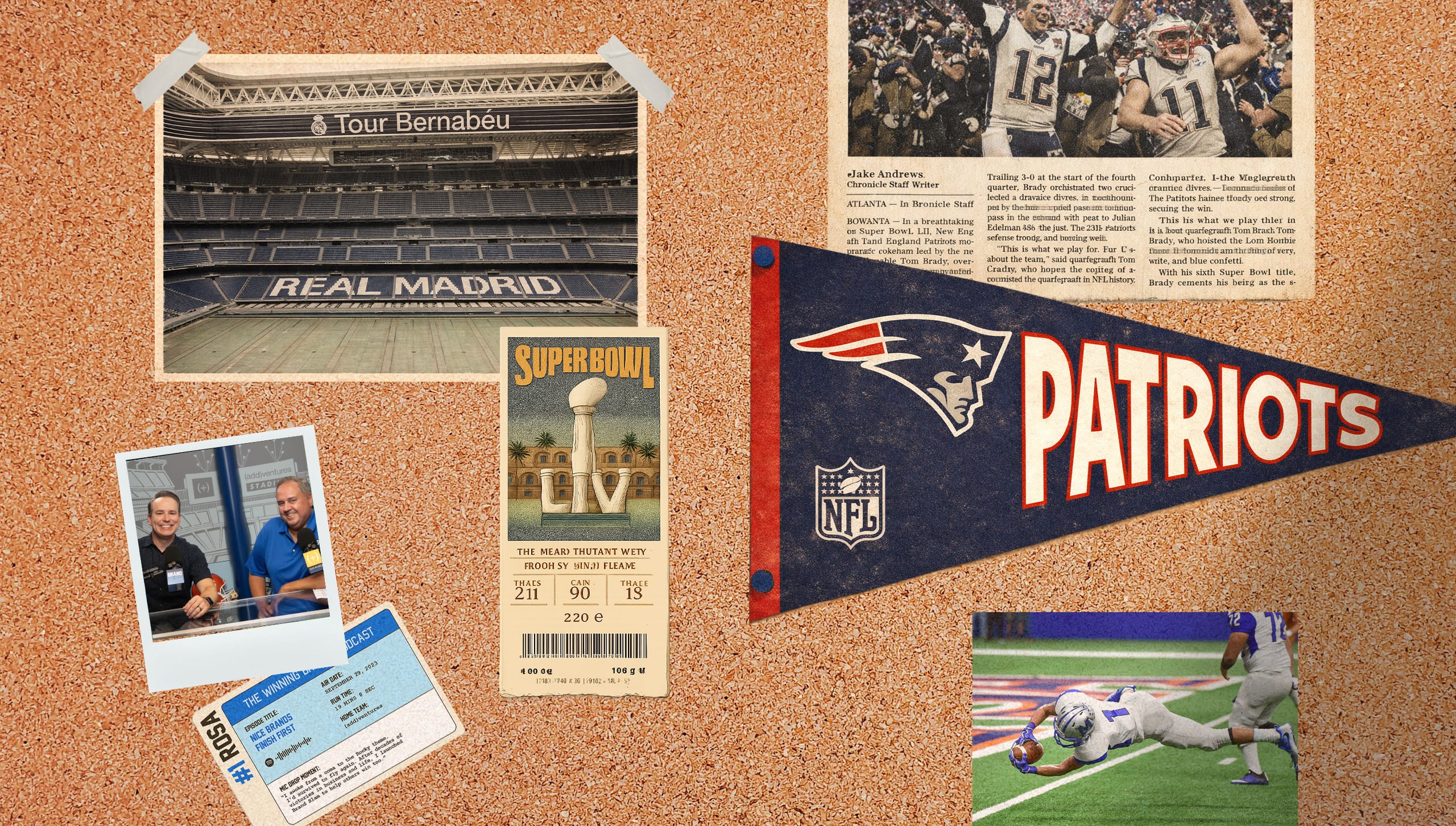
Sports marketing has always followed the rhythm of the season. Fandom shouldn’t.
There’s a disconnect. Brands continue to pour budgets into short-term sponsorships and seasonal media buys. But true sports marketing, the kind that builds real brand equity, isn’t just a logo on a jersey or a tentpole commercial. It’s a year-round relationship, built through shared rituals and emotional connections.
The problem? Too many brands confuse sports marketing with sponsorship. They think buying impressions equals engagement. But slapping your name on the marquee, grabbing a photo op and calling it a win? That’s not strategy. That’s just noise.
That mindset’s outdated and it’s costing brands.Not just in awareness, but in long-term loyalty and missed revenue.
The season never ends. Just ask the NFL.
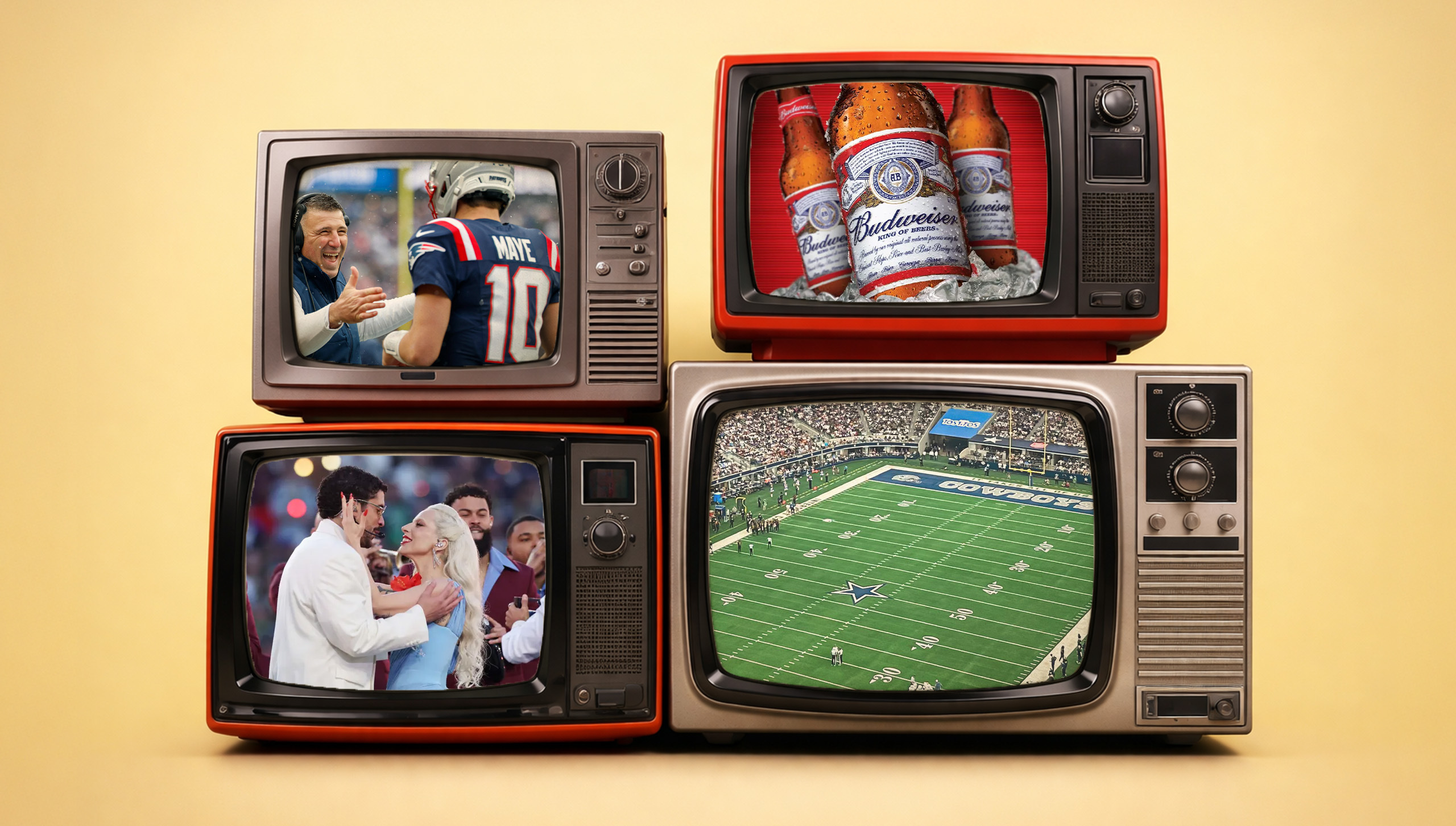
The clearest example of modern sports marketing mastery? The NFL. Football may seem like a seasonal product. But you'd never know it.
Once the Super Bowl confetti settles, the league doesn't go quiet. It pivots into draft hype, free agency speculation plus combine coverage. They stretch the story out and keep fans hooked. They’ve built an always-on media ecosystem powered by audience obsession. And they do it without asking fans to buy anything. No hard sell. Just sustained attention. They just keep feeding the relationship.
That’s what great brands do. They turn exciting in-season moments into sustained off-season relevance. They earn attention by building trust. That’s loyalty unfettered by a schedule.

From logos to loyalty
In 2026, the brands that win in sports won’t be the ones with the biggest logo placements. They’ll be the ones that understand what to do with fans all year. Because fandom is a relationship you can build on.
Smart marketers evolve from “we sponsor this team” to “we understand these fans.” They shift from moments to membership and they’re doing it through personalization. They build ecosystems–content, community, CRM–all working together to create continuity.
Here’s what that shift looks like in action.
A lesson from Madrid
A few years back, I visited Santiago Bernabéu Stadium in Madrid. The line to get in was out the door and down the block. Traveling with kids, the prospect of waiting hours in the sun wasn’t exactly my idea of a dream vacation.
Then came the save.
Someone pointed me to a special membership–sponsored, sure, but smartly so. Buy in, skip the line, save your sanity and make your kids happy. For the price of joining a fan club, we were ushered past the chaos and into the experience.
It wasn’t a discount. It was a dignity-preserver and a memory-maker. That moment did more to build our connection to Real Madrid than any on-field performance ever could. Because we didn’t just buy access; we bought into the club. It felt personal. It felt like we mattered. That’s the play: meet fans where they are, even in line, even across an ocean, and make them feel seen.
And here’s the real insight: That moment was designed. It wasn’t luck. It was the result of a system built to meet fans in real time, with real value. That’s the opportunity. Creating intentional fan experiences that feel spontaneous, personal and earned.And the best part? They’re still doing it. Not with ads, but with systems and with strategy.
Real Madrid has turned fandom into something scalable, sustainable and smart. They’ve made the fan experience a core part of their global business strategy, and it’s paying off.
In Part 2, we’ll look at how the smartest brands are using data, AI, and personalization to transform that same spirit into connected, year-round fan journeys and the business outcomes that come with them.





















.jpg)
love.jpg)





rentice-summer-2024-interns.jpg)





.png)


.jpg)


.jpg)