Expertise
Winning beyond the scoreboard in the NIL era of college sports
The balance of power in college athletics has been disrupted. For CMOs and marketing leaders inside universities, and yes, Athletic Directors too, this shift is no longer adjacent to the job. In many ways, it is the job.

There was a time when the job was clearer
Win games and fill seats. Try to stay visible enough that your sports program remained relevant and pleased the alumni donors. The rest had a way of working itself out. Media told the story and television handled distribution. Athletic departments operated in parts, each group responsible for its piece, coaches were the spokesmen, and the players, well, they played the games and hoped to go pro someday.
The model that held up for over a century simply doesn’t hold up now.
NIL (Name Image Likeness) not only introduced money into the model, it also shifted control of attention. Athletes have moved from serving as brand participants in the system to their own platforms inside it, carrying their own audiences, reach, expectations for how their stories are told. That changes the balance. It forces institutions to compete on their ability to create visibility, consistency and long-term value for both the athlete and the program at the same time.
College athletes are becoming revenue-generating content engines who happen to play sports, not just student-athletes in the traditional sense. And with universities facing existential pressure from AI, declining student-age demographics, and rising competition for enrollment and relevance, attention has become a lifeline.
That puts athletic departments in a different business, and many are still trying to catch up to the new reality.
Why many schools miss the mark
The industry is building capability faster than it is building clarity. The response across the market has been predictable. Build the studio, launch the platform, expand the content team and then try to control the pipeline.
The instinct is right. For example, Florida’s investment in SwampVū and its move into direct-to-fan content is a clear signal. As has been reported, Cal Athletics informed staff that members of its marketing, athletic communications, and creative services groups would be laid off as part of a broader shift toward a new external model focused on revenue generation and authentic storytelling.
Whether you agree with the approach or not, the larger point is impossible to miss: athletic departments are reorganizing around content, commerce, and brand in a more integrated way. The issue is not whether to invest. It is what happens after.
Technology creates a sense of progress. It gives the appearance of control. But what it actually does is raise expectations. A studio does not solve the problem. Without a clear system and team behind it, the result is chaotic output, pressure to justify the expense, and often little connection to any meaningful return.
NIL can cloud this even further. The right athlete can bring immediate visibility. For a moment, it can feel like the entire strategy is working.
But programs that rely on talent alone are borrowing attention, and when that talent leaves, so does the value attached to it. Instead, athletes must become part of a broader engine that continues to produce across seasons, across teams and across audiences.
That distinction separates programs that spike from programs that grow. It also clarifies the role of marketing leadership.

Head coaches as CMOs
For head coaches and college marketing offices, this shift shows up in expectations. Content is no longer measured by reach alone. It is measured by what it does. Does it move a recruit closer to a decision? Does it create value for a sponsor? Does it strengthen affinity with alumni donors? And of course, does it keep fans engaged?
Those outcomes require alignment across teams that were never designed to operate as one, as well as require a level of knowledge that goes beyond traditional marketing models. Understanding how storytelling, technology, distribution, and data work together as a system is an essential part of the job.
Why experience matters
Having the right system makes the difference between chaos and success. This is the part most schools underestimate. It is one thing to decide to operate like a media company. It is another to build one inside an athletic department, with all the constraints that come with it.
We have already done that work. Our team is built differently on purpose. Strategy, storytelling, design and technology are not separate services. They operate as a connected system. That allows us to move with clarity and speed, without the friction that slows most internal teams down.
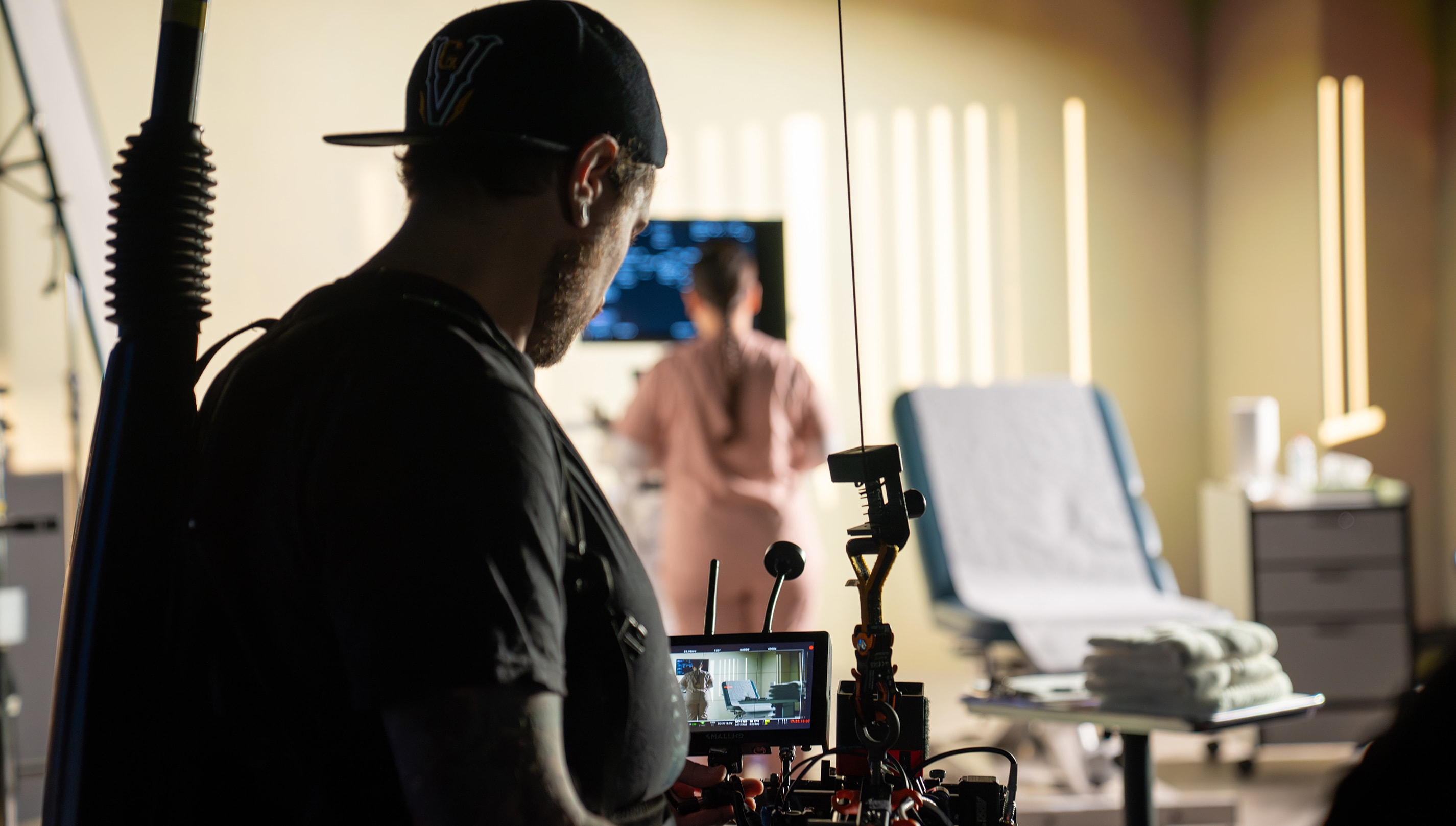
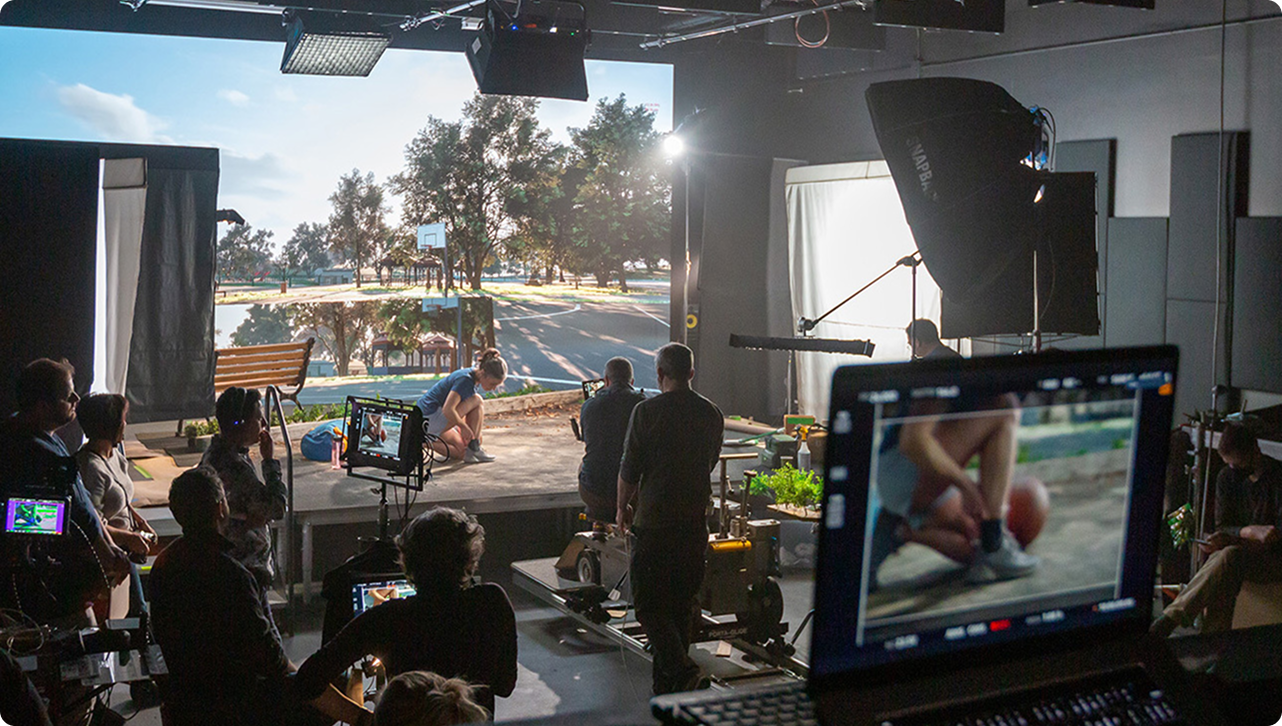
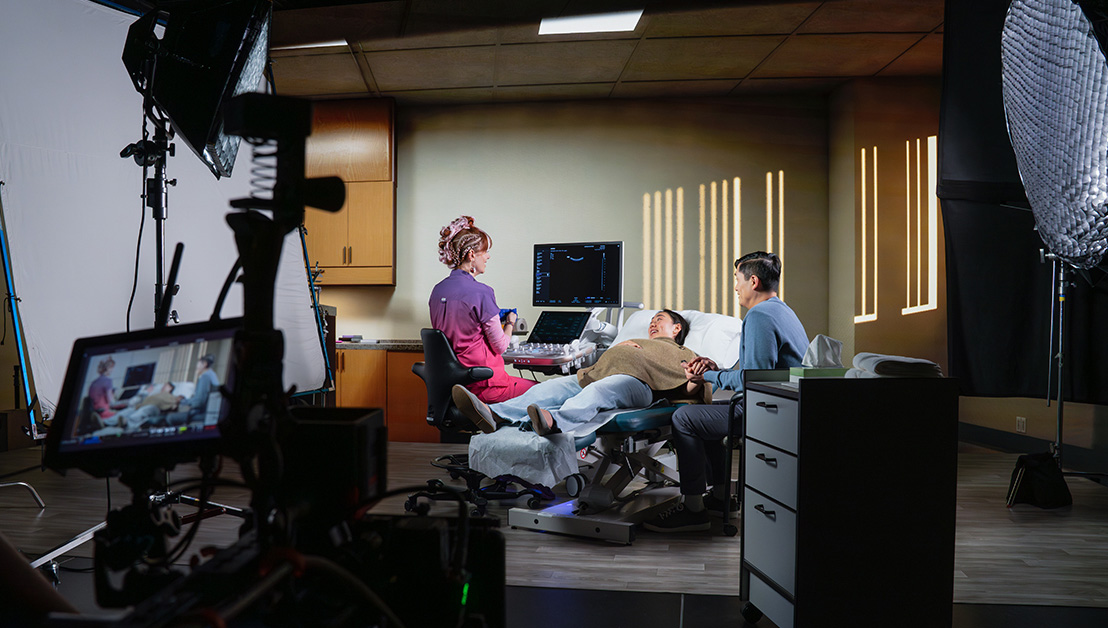
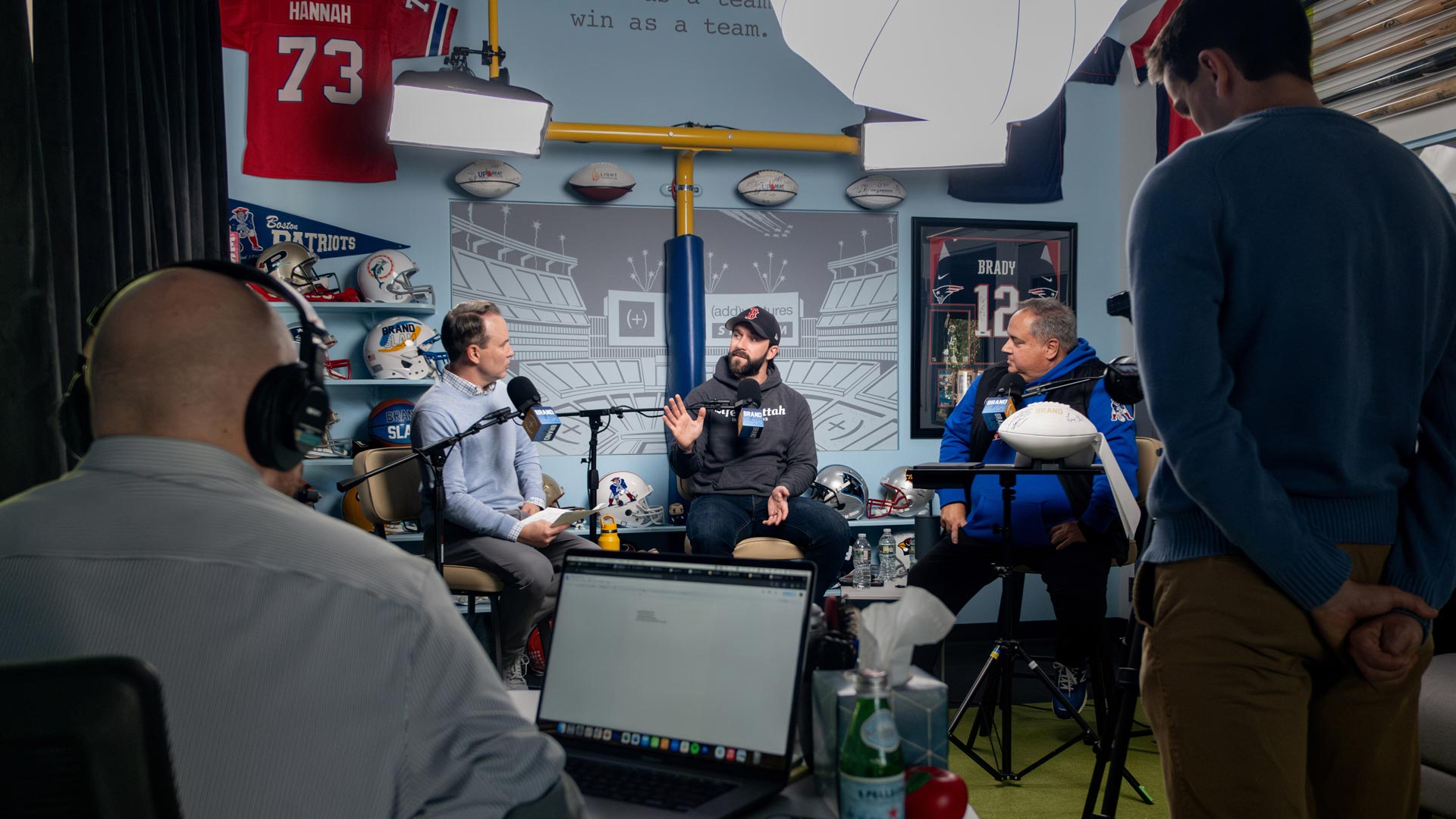
Our virtual production studio is part of that advantage. It gives us the ability to produce high-level content consistently, without the bottlenecks that come with traditional production models. More importantly, it sits inside a framework that defines what should be produced and why.
We are not tied to a single campus or constrained by internal structures. We are built to integrate, to guide, and to execute in a way that aligns with real business outcomes.
That combination matters. Because the challenge is not access to tools. It is knowing how to use them with intention.
Clarity, discipline, and systems that actually produce value
Our sports marketers and storytellers build content-stream engines that help colleges, athletes, and brands win on and off the court, field, pitch, and platform.Winning the big trophy is a moment in time. But how you make a community feel can span generations.
Content fueled by the passion, authenticity, and emotion of sport inspires loyalty, motivation, morale, and belonging. The kind that strengthens culture, builds affinity, and ultimately impacts the bottom line far beyond any scoreboard.
College athletics that embrace a media-driven model are the ones that will emerge as front runners. They will make the shift to a business model centered on attention, ownership and long-term value creation.
That requires clarity around what matters. Discipline in how work gets done. And the right partners to help close the gap between capability and performance.
Because in the end, this is not about building more. It is about building something that works.



























.jpg)
love.jpg)







rentice-summer-2024-interns.jpg)






.png)


.jpg)


.jpg)