Expertise
Fandom isn’t a season, it’s a strategy
Logos don’t build loyalty. Relationships do. The best sports brands are designing multiversed experiences that turn casual fans into committed members all year.
Written by (add)ventures’ CEO and founder Steve Rosa, part two of a two-part series

Personalization is reshaping the sports marketing game
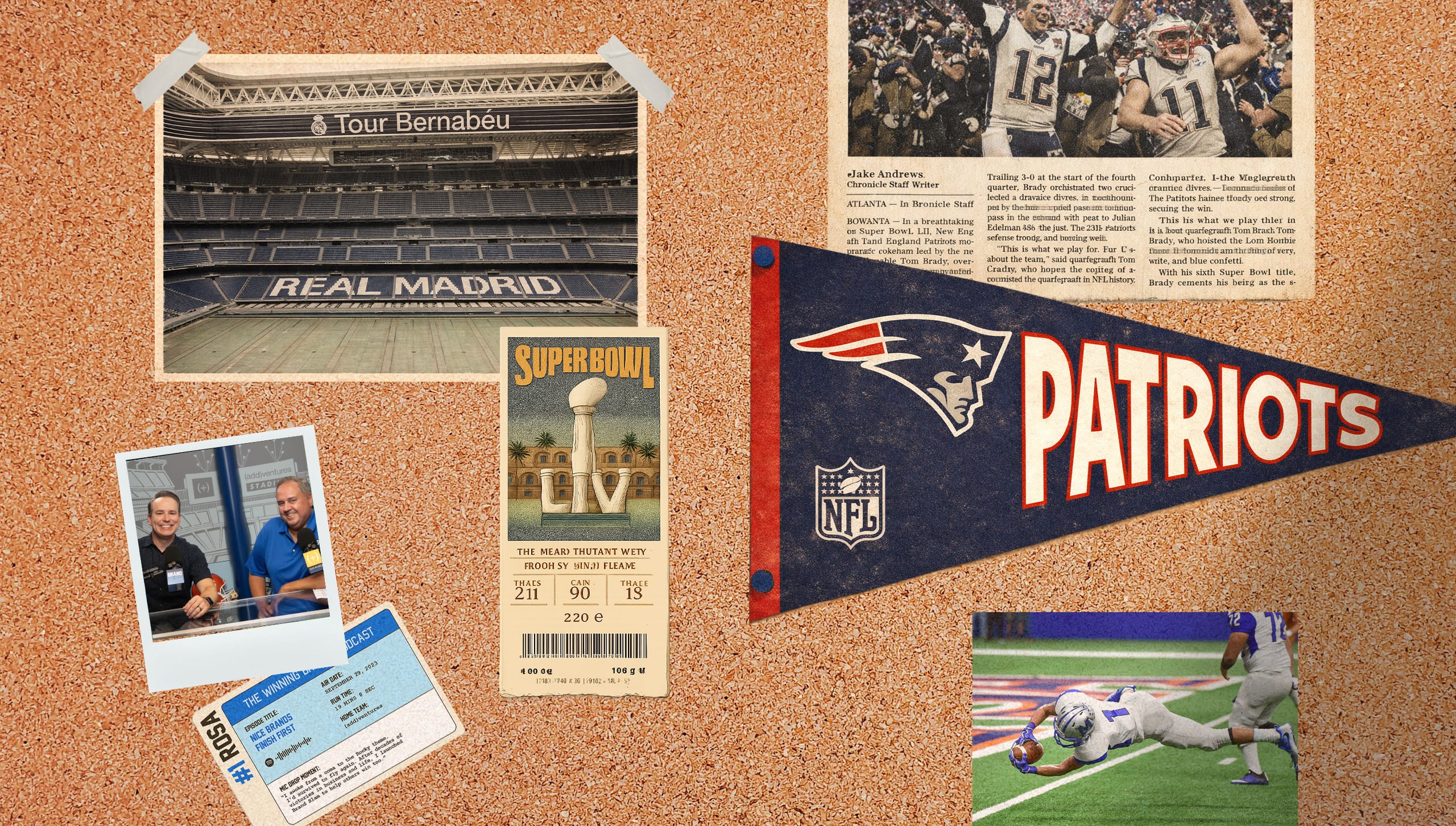
Some of the smartest sports marketing isn’t happening on the field. It’s happening in the marketing strategy rooms inside systems built around fandom. I saw it firsthand in Madrid. Not during the match, but in how the club treated fans before they even got to their seats. Real Madrid didn’t stop with the stadium. They’ve expanded far beyond broadcast rights, building personalized fan journeys at global scale creating personalized fan journeys.
The lesson for brands is clear: you can’t just show up with a logo. You need to activate strategically and authentically across platforms. That means understanding how to plug into ecosystems fans already care about and bringing value that actually matters to them.
The value of data
The smartest brands have stopped thinking in terms of impressions and shifted to forming relationships and capturing fans. That starts with data, not in a creepy way, but in a clear-value exchange. Fans willingly give their info when they trust that the brand on the other end will use it to make their experience better.
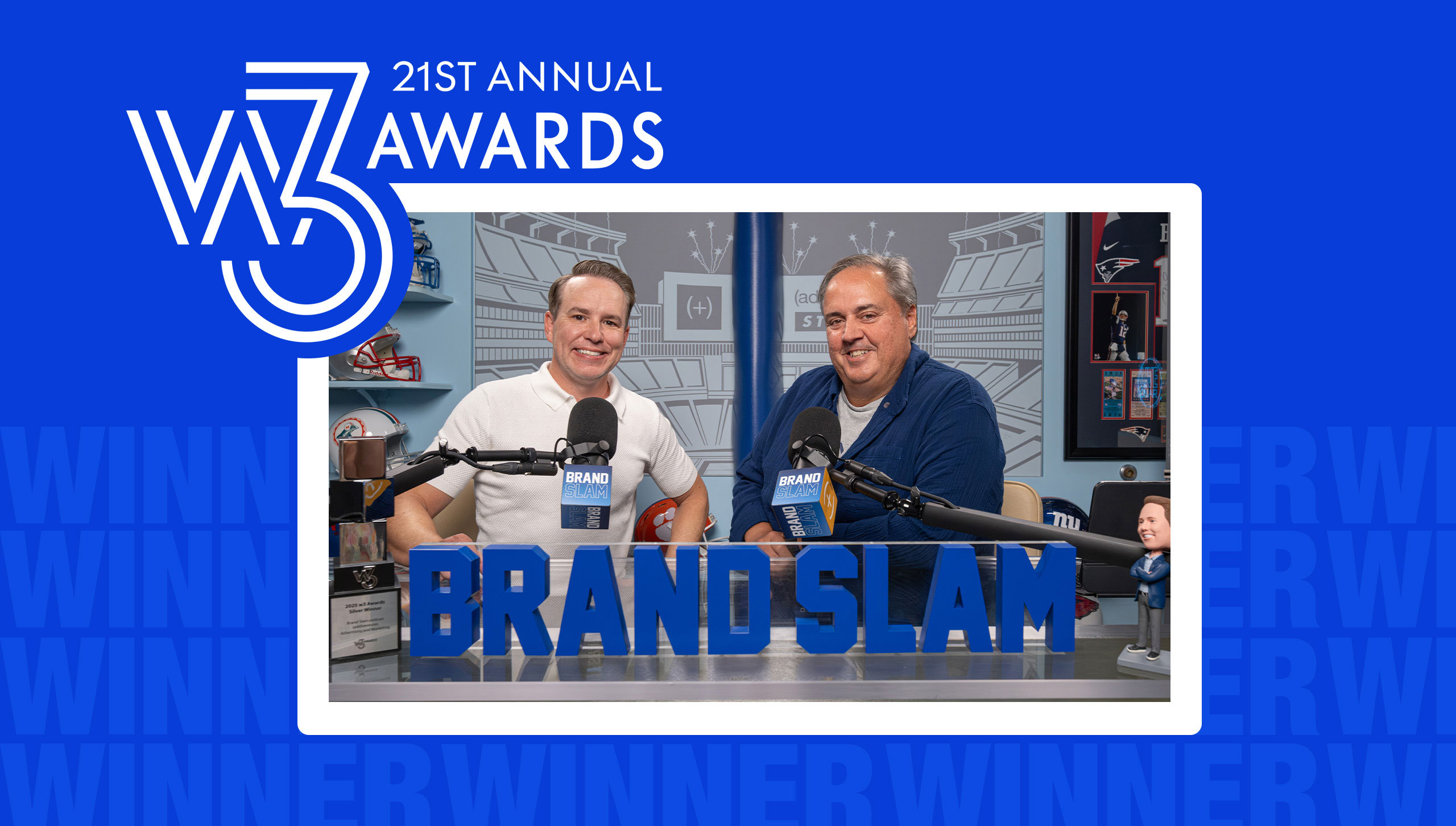
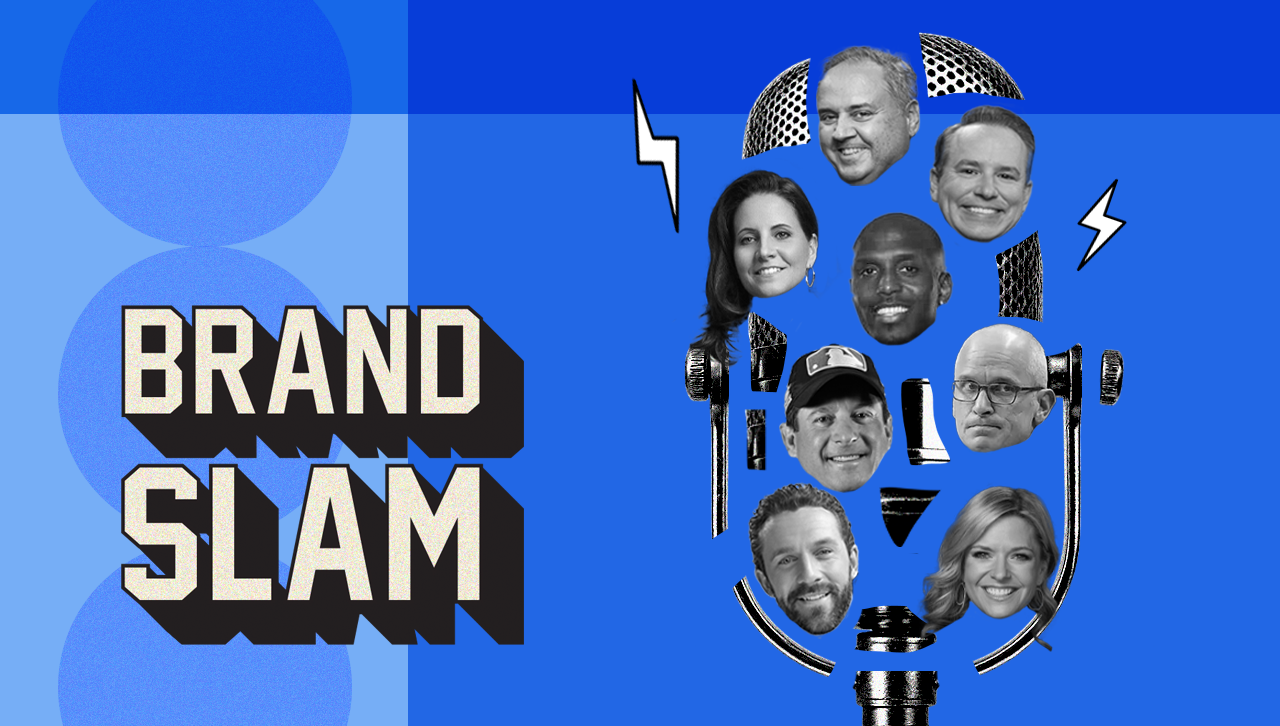
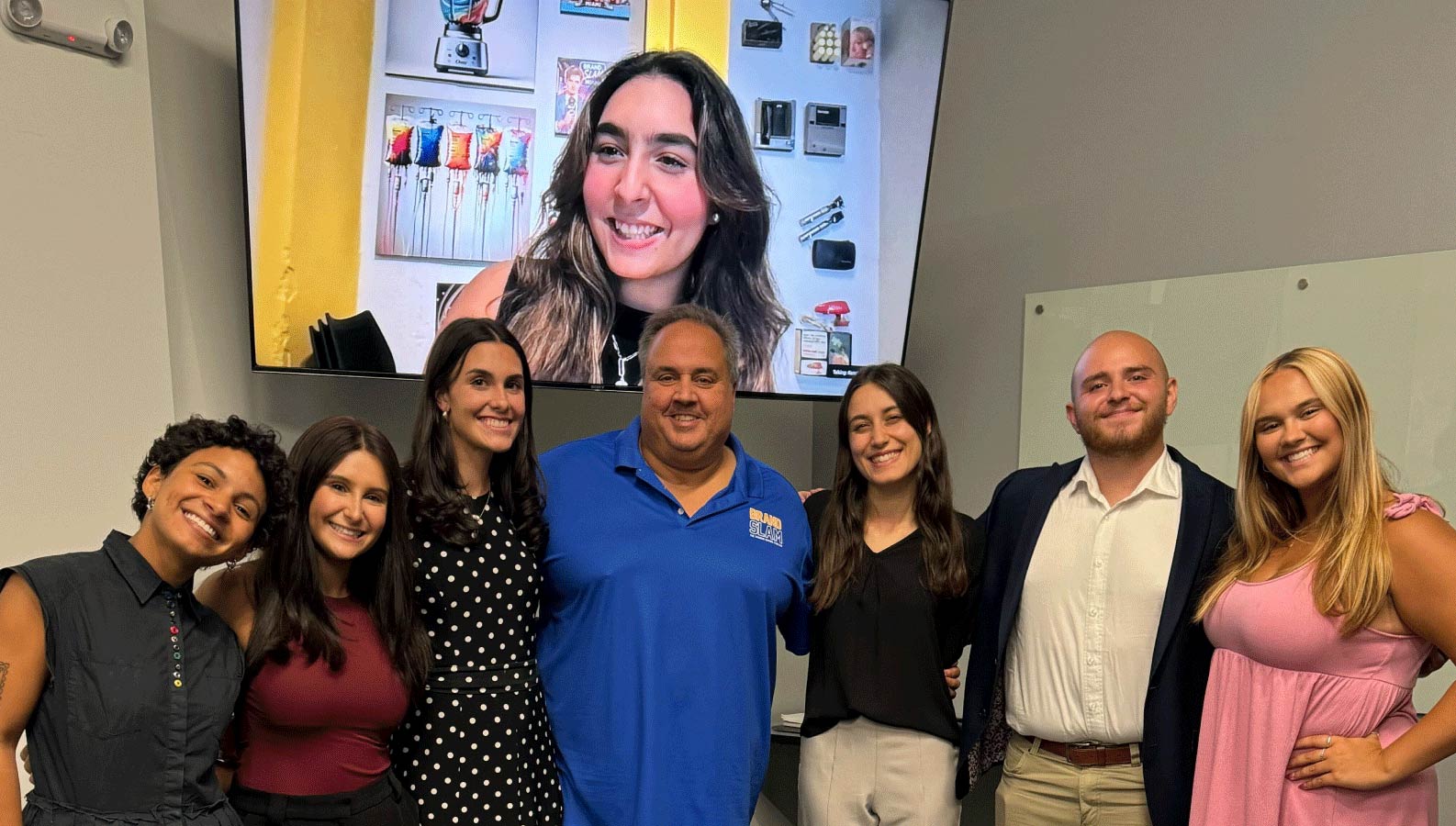
So the best brands are building fan databases. They know who their audience is, what they care about, and how they behave across platforms. And they’re listening.But data is only useful if you actually apply it. You need to take the next step to build connection, something we learned more about with Leandro Peterson when he joined us on Brand Slam. Ticketing, team apps, social media, online stores, email—every interaction becomes part of a single, connected view of the fan. That means when someone buys a jersey, enters a contest or scans a ticket, the brand sees the full picture. And better yet, they respond accordingly with context-aware touchpoints that actually move the needle.

Designing fan journeys
This shift opens the door to designed fan journeys. Well-designed journeys feel personal, relevant and seamless, not invasive or transactional.
For example, pre-game, fans get hyped with personalized content sent to them in advance. During the game, surprise-and-delight moments pop up via app notifications or social activations. After the final whistle, they get offers, recaps and community interactions that keep the energy alive. From anticipation to celebration, every moment is planned, personalized and part of the experience. Everything feels earned.
The AI assist
AI is the not-so-secret weapon powering much of this. It’s being used to scale personalization without losing the human touch. Think “season in review” wrap-ups that feel as thoughtful and specific as a Spotify Wrapped. Think targeted content and offers that feel more like good timing than marketing automation.
Even inside stadiums, AI is creating smarter, more responsive environments. From faster concessions to real-time highlights tailored to your seat location, the tech is already here and getting smarter. The goal is to reduce friction, increase joy.
But tech alone doesn’t drive loyalty. You need teams who know how to turn data into connection.
And here's where it gets even more powerful: AI enables multigenerational brand experiences. A younger fan might get a personalized jersey offer through TikTok, while their parent receives early access to ticket bundles via email. Same household. Same team. Different touchpoints, tuned to what each generation cares about.
Done right, it’s the younger fans pulling older ones deeper into the ecosystem. The brand becomes part of how families connect, cheer and create memories. That's loyalty that spans decades, not just seasons.
Most importantly, all of this effort ties back to real business outcomes. This is about results. More merch sold. More tickets scanned. More subscriptions. More long-term value from fans who stick around.
A quick self-audit for your 2026 plan
If you're serious about winning in sports marketing in the next 12 months, now’s the time to ask some hard questions to win the year:
- Can you name your top 5% of fans?
Not by segment. By name. Do you know who your most loyal, valuable fans are, including what they buy, how often they engage, what they care about? If your answer is no, you’re flying blind and missing a huge opportunity.
- Are you treating fans like they matter?
Do they get first looks, early access, surprise rewards, better seats and/or special content? Your fans are your most loyal customers. Don’t lump them in with the masses and give them the same CTA as the casuals.
- Is your entire ecosystem actually connected?
Can you recognize and respond to what a fan does across ticketing, apps, social, streaming and retail? If you don’t actually use your data to transform your strategy, it’s just collecting dust.
- What happens when the sponsorship ends?
If you pulled your logo off the jersey tomorrow, would fans feel the loss? Or would they forget you were even there?
If you're answering “not really” or “not yet,” you’re not behind.You’re just playing by the old rules.
Where we come in
This is the work we live for, turning sponsorship line items into scalable fandom engines. If you're rethinking your 2026 playbook, we’d love to help shape it.
We work with brands to:
- Audit current partnerships through a fandom + data lens
- Design connected, omnichannel fan journeys that span time zones, platforms, and real life
- Build the content, experiences, and infrastructure that deepen fan relationships and drive results
Because in 2026, fans will remember how you made them feel.
Let’s start the conversation and find out what fandom can really do for your brand.



















.jpg)
love.jpg)





rentice-summer-2024-interns.jpg)




.png)


.jpg)


.jpg)